Reactor Flash Cooler Vacuum Control – Control Valve Optimization
Project Background
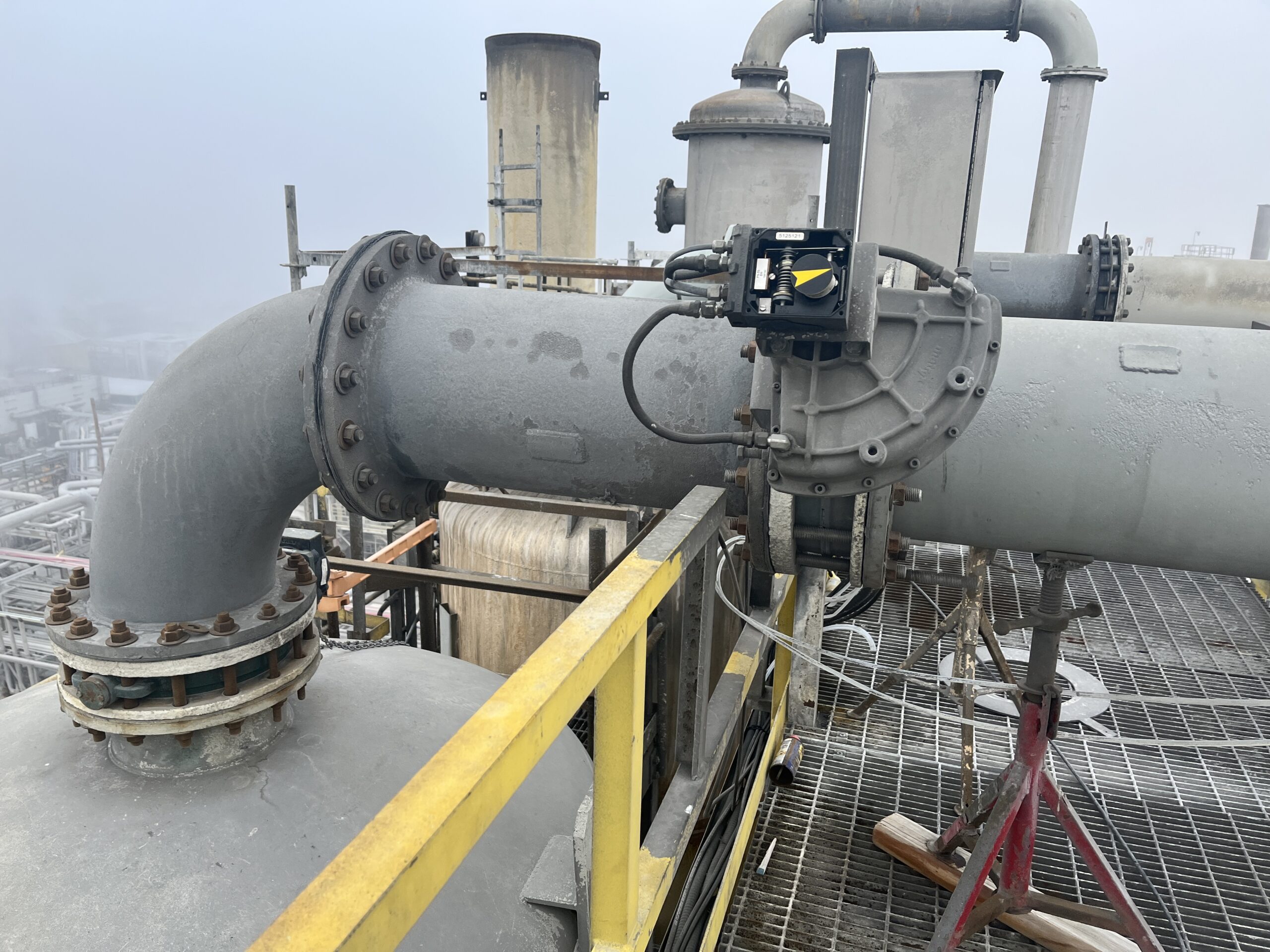
Operations experienced difficulty maintaining stable vacuum conditions in a reactor flash cooler. Utility cooling water entered the barometric condenser through an existing 16-inch butterfly control valve. The barometric water flow adjusted to maintain the flash cooler vacuum setpoint, but the installed valve did not provide sufficiently precise control, affecting reactor cooling performance.
Operations proposed adding a restriction orifice to the cooling water supply line. I undertook the engineering evaluation to determine whether that modification would improve performance or whether an alternative would better address the underlying problem.
Engineering Challenge
The condenser cooling water supply line had neither a dedicated flowmeter nor a local pressure indicator. However, historical valve position data were available through the plant PI system, together with pressure measurements at the upstream cooling water distribution header.
The challenge was to establish hydraulic operating conditions, determine cooling water demand across production rates and supply temperatures, and select a valve that could regulate flow accurately enough to maintain the vacuum setpoint.
Engineering Design Approach
Hydraulic Modeling
I developed the hydraulic model of the existing supply system using available operating data. I used upstream header pressure to calculate pressure conditions at the control valve, accounting for losses in the supply piping, and reviewed the installed valve’s Cv characteristics to evaluate flow regulation across the required operating range.
Material and Energy Balances
I performed material and energy balances around the reactor and flash cooling system at varying production rates to establish the cooling duty required to maintain the specified vacuum. I also evaluated variations in incoming utility cooling water temperature and calculated the corresponding required cooling water flow range.
Control Valve Evaluation
I compared the calculated cooling water flow requirements with the operating characteristics of the installed 16-inch butterfly valve. My analysis demonstrated that the valve was oversized for the required flow range, limiting precise flow adjustments. I also determined that a restriction orifice would not adequately resolve the underlying control problem.
I performed the sizing and technical evaluation of alternative 8-inch, 10-inch, and 12-inch butterfly valves, along with a vendor-proposed 12-inch V-ball control valve. According to the valve vendor, the V-ball design offered superior throttling characteristics and reduced flashing potential because of its pressure recovery characteristics.
Technical and Economic Evaluation
Based on my calculations and valve sizing evaluation, I presented two alternatives to Operations: a 12-inch butterfly valve and a 12-inch V-ball valve. Both represented substantial improvements over the existing valve. Although the V-ball valve offered advantages in throttling and flashing potential, its purchase price was approximately twice that of the butterfly alternative. Operations selected the 12-inch butterfly valve as the preferred balance of performance and equipment cost.
Project Results
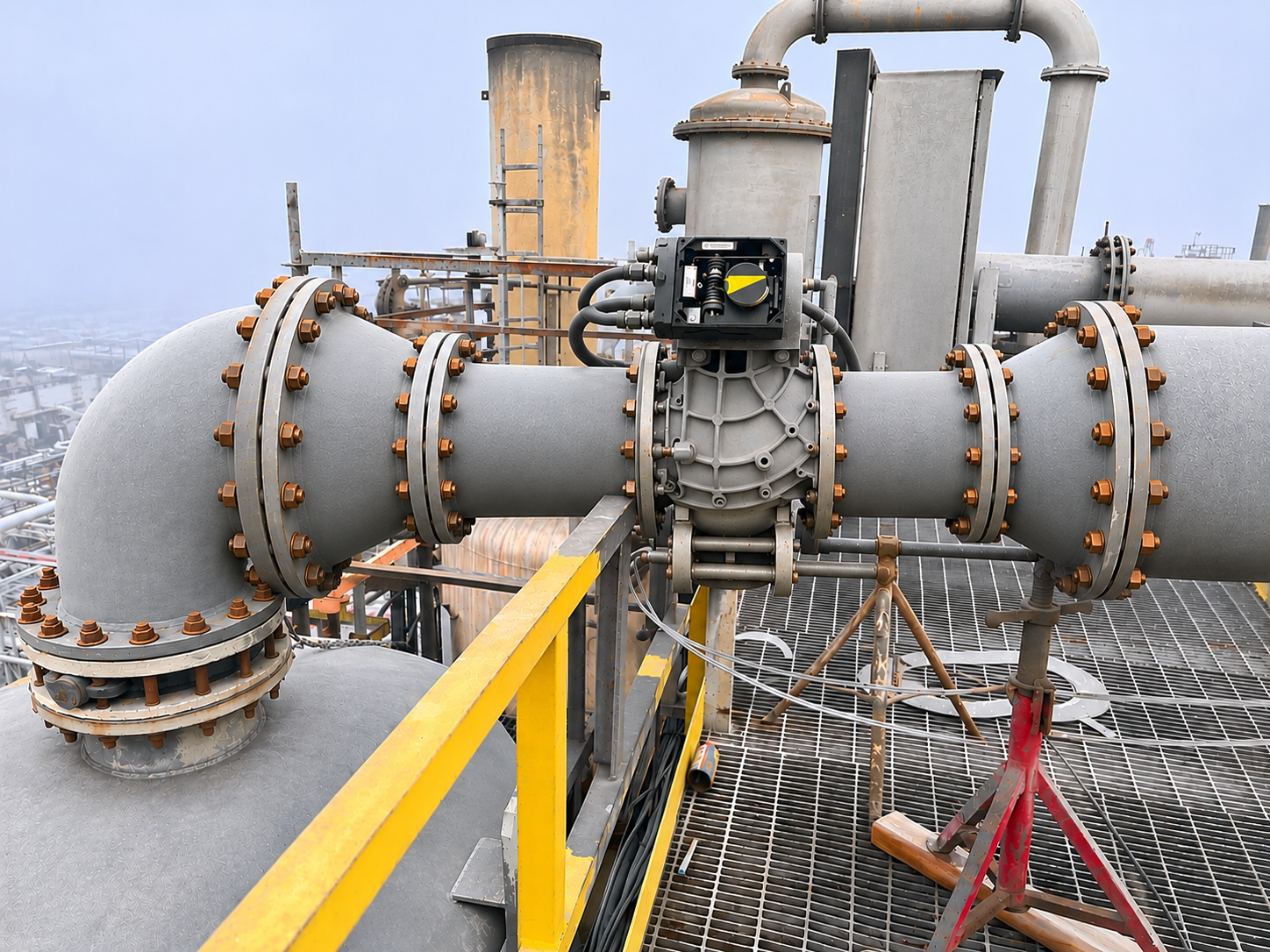
The existing 16-inch butterfly valve was replaced with the selected 12-inch butterfly valve. The replacement was installed and commissioned, and Operations subsequently reported improved vacuum control in the reactor flash cooler system.
Engineering Value
I led and independently performed the engineering evaluation, including the hydraulic calculations, material and energy balances, cooling water flow requirements, control valve sizing, and technical comparison of replacement options. My analysis identified the oversized control valve as the underlying cause of inadequate vacuum regulation and established a technically justified solution without the initially proposed restriction orifice.
I integrated hydraulic modeling, process heat and material balances, and manufacturer valve performance data to establish the required operating range and identify suitable replacement valves. I developed and presented the comparison of control performance, flashing potential, and purchase cost that supported Operations’ equipment selection.
The implemented modification improved flash cooler vacuum regulation while avoiding an unnecessary piping restriction and the higher equipment cost of the V-ball alternative. This project demonstrates my ability to take ownership of a process control problem, carry out the complete engineering analysis and equipment sizing, and deliver a practical, cost-conscious recommendation that improves plant operation.