Gypsum Slurry Piping Design
Hydraulic System Design and Optimization for Gypstack Expansion
Project Background
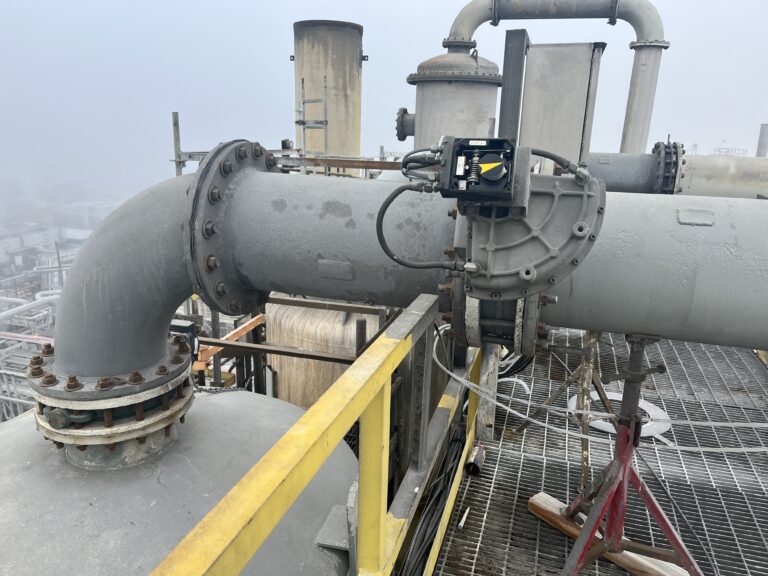
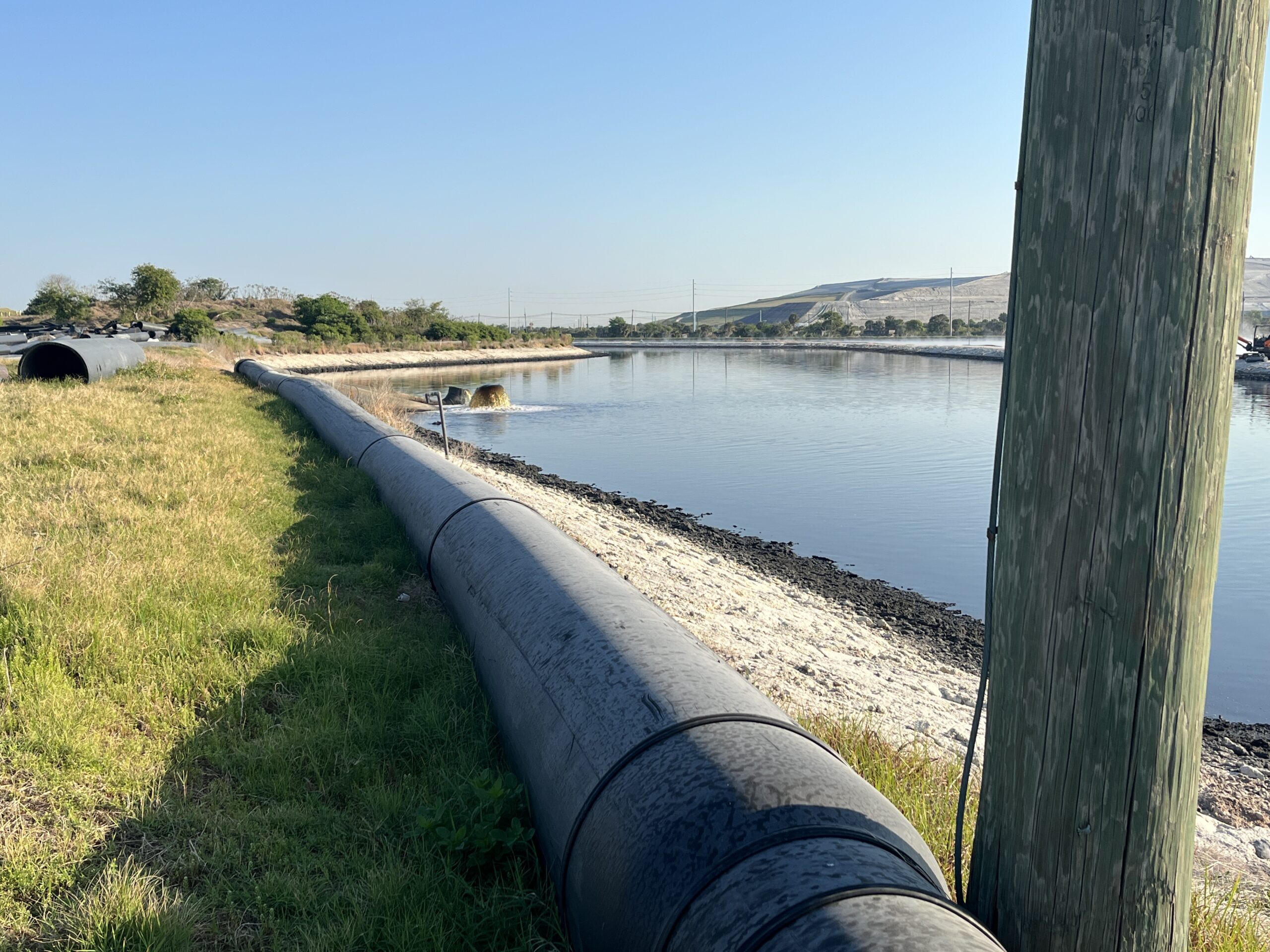
As part of a new gypsum stack expansion, the Gypstack Operations team required additional discharge locations for the existing gypsum slurry transportation system. The project involved extending the existing pipelines to accommodate new discharge points at significantly lower elevations while maintaining service to existing discharge locations.
Engineering Challenge
The primary challenge is to design piping extensions capable of transporting gypsum slurry to discharge points at elevations as low as 28 feet while maintaining service to existing discharge points between 180 and 272 feet. The substantial elevation differences create hydraulic challenges because the existing pumping system operates at fixed speeds.
Design Constraints
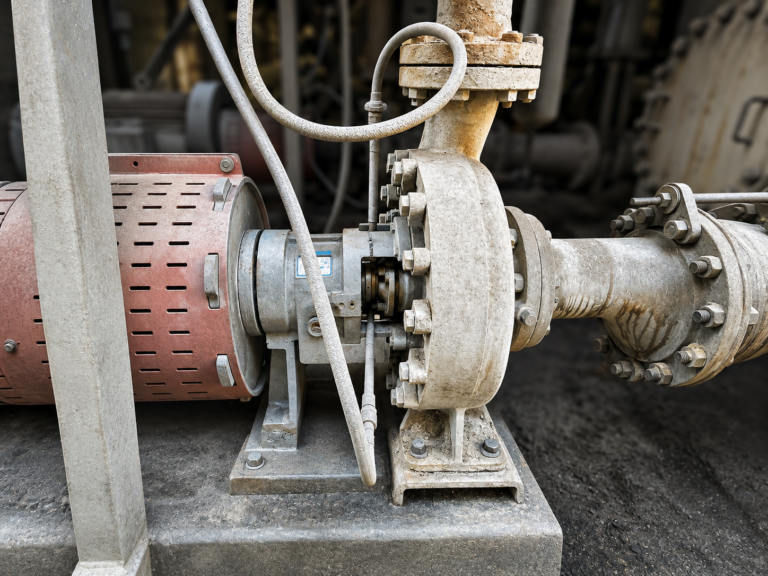
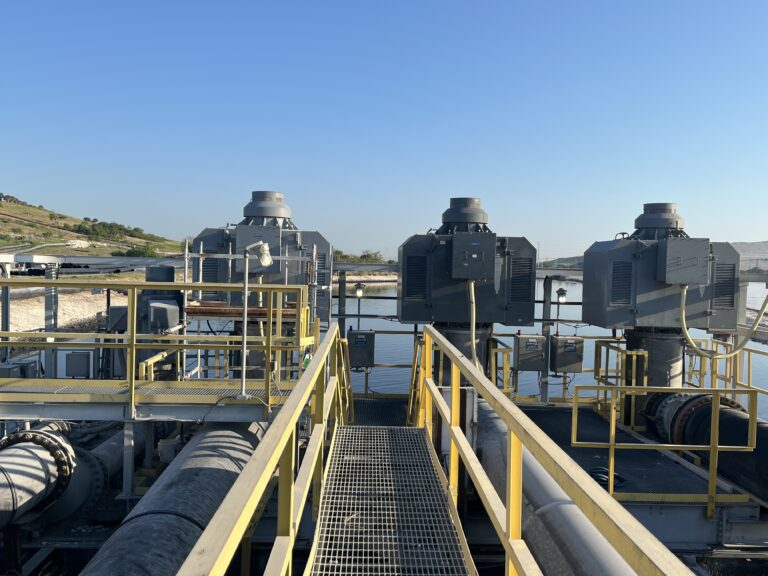
Existing equipment: The system consists of two independent 24-inch slurry pipelines, each supplied by two fixed-speed pumps operating in series. Each pipeline serves eight discharge points at varying elevations.
Capital limitations: Installing a variable frequency drive (VFD) on the existing 600-hp booster pump is not economically feasible due to an estimated capital cost of approximately $1 million.
Operating limits: Slurry solids concentration must remain between 20% and 30%. Limited makeup water availability at the feed tank restricts the operating flow range. The preferred slurry velocity range is 5–12 ft/s to minimize solids settling and accelerated pipe erosion.
Engineering Design and Approach
I performed the hydraulic analysis and developed the piping design for the expansion using Excel and AFT Fathom to evaluate system performance under varying discharge elevations and operating conditions.
Hydraulic Model Calibration
Before beginning the new piping design, I calibrated the hydraulic model of the existing system against actual operating data, using measured flow rates to ensure that the model accurately represented the existing piping configuration and pump performance. This established a reliable baseline for evaluating the proposed modifications and predicting flow rates at the new discharge locations.
Piping Design
The existing 24-inch slurry pipelines were extended to accommodate the new discharge locations. I designed selected sections of the new piping with an 18-inch diameter to increase frictional resistance and help limit flow rates to the lower-elevation discharge points.
Because the booster pumps operate at fixed speeds, the system presents two important hydraulic limitations when delivering slurry to lower-elevation discharge locations.
Elevated Pipeline Velocity
The reduced system resistance associated with lower discharge elevations results in increased flow rates. Consequently, slurry velocities in portions of the 18-inch piping exceed the preferred operating range, increasing the potential for accelerated pipe erosion.
Booster Pump Cavitation Risk
Higher flow rates to lower-elevation discharge locations cause the primary pump to operate farther along its performance curve, reducing its discharge head. This reduces the net positive suction head available (NPSHA) at the downstream booster pump, increasing the potential for cavitation.
I evaluated both limitations during the hydraulic design process and communicated the associated operational risks to management before proceeding with the project.
Project Results
The expanded slurry transportation system accommodates the new discharge locations without requiring modifications to the original pumps, motors, or main pipelines.
The design avoids approximately $1 million in capital expenditure by eliminating the need for a VFD, while integrating new discharge locations using the existing pumping infrastructure and balancing equipment limitations, slurry concentration requirements, and available makeup water.
Actual slurry flow rates at the new discharge locations are within 10% of the predicted design values, validating the hydraulic modeling and design approach. The expanded system continues to operate as intended.
Engineering Value
This project demonstrates my ability to independently develop practical hydraulic solutions within existing equipment and capital constraints. Through hydraulic modeling using Excel and AFT Fathom, pump performance evaluation, and optimization of pipeline diameters, I developed a piping design that supports the expansion of gypsum slurry distribution infrastructure while avoiding approximately $1 million in additional capital expenditure.
The system continues to meet its intended operational objectives, with actual flow rates closely matching the hydraulic design predictions.